All Categories
Featured
Table of Contents
2020 GoDaddy Sellbrite, Inc. All rights reserved. Use of this website goes through reveal regards to use. By utilizing this website, you represent that you consent to be bound by these Regards to Service.
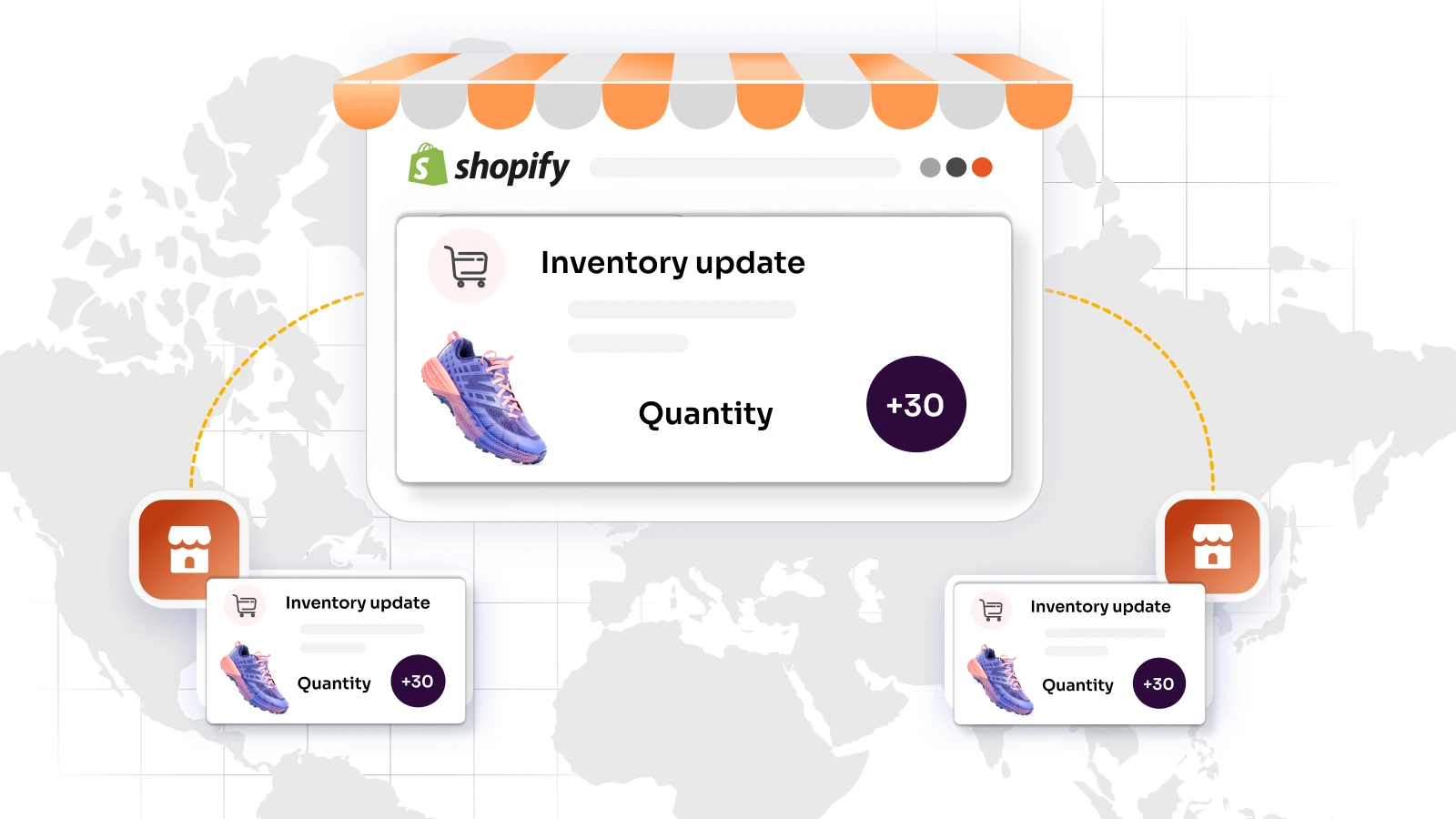
Are you an ecommerce magnate that offers (or is wanting to sell) through multiple channels?You have actually likely already encountered a big pain point: multichannel inventory sync. It provides a paradox of sorts. To grow your company and drive more income and customer growth, you require to expand to brand-new channels, sellers, and markets.
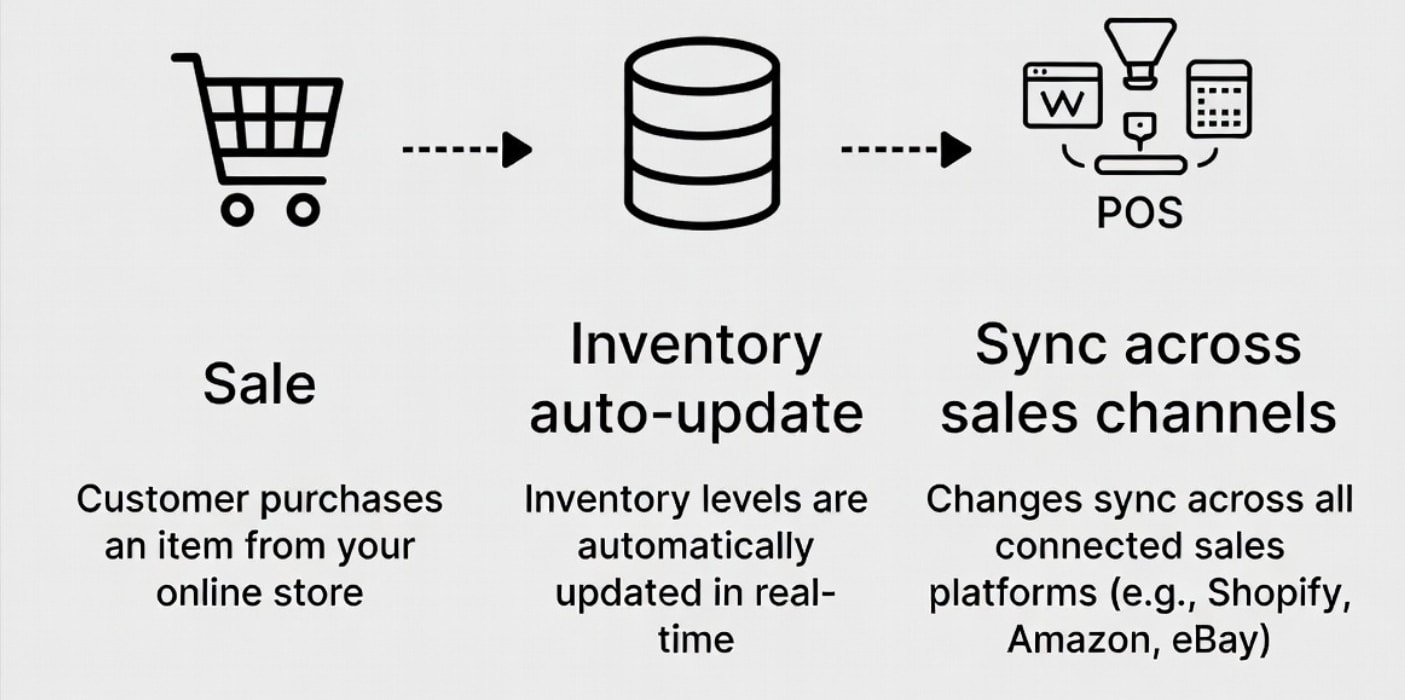
The easy (yet difficult) difficulty is syncing your inventory throughout each active sales channel. Multichannel inventory sync is a procedure by which real-time product amounts are shared across numerous ecommerce channels.
In-Store Collection Trends: Improving Fulfillment Logistics for 2026
I explore my options for offering on other platforms and merchants. I determine Amazon, Faire, and a retail collaboration with Entire Foods for my brand-new sales channels. Now, let's say I have 100 units of among my products. If I'm only selling on my website, stock management is easy.
Might I, for example, simply decide in advance to offer a fixed amount on each platform:20 units on Amazon40 units on Faire20 units for Whole Foods20 systems DTC on my websiteTechnically, I could do this but I may then be losing out on potential sales. If, for example, demand is much higher than 20 units on Amazon (let's say 40 individuals wanted to buy instead of 20), I successfully lose these sales.

This results in bad customer experience, shipping delays and eventually customer discontentment. Plus, a headache for you. Multichannel inventory syncing services ensure that customers (and you) constantly have access to updated details about items they're interested in acquiring. It also assists ecommerce brand names save time since it gets rid of the requirement for them to by hand upgrade each platform with routine inventory modifications.
Why Inventory Sync Tools Boost Efficiency: stockouts cost sellers an approximated $1 trillion each year. In addition, roughly 8% of small companies do not track their stock, and another 14% do it manually. Picture the dissatisfaction of costs hundreds of dollars to get a possible consumer to your site, and persuading them to buy, only to drop the ball at the last minute due to the product being out of stock.
You have to scramble to acquire more product. Overstocking inventory might seem like the much better alternative for stock control, but it comes with its own set of issues.
Checklist to Syncing Global Inventory Across Modern FrontendsLogistics Upgrades to Dominate Omnichannel Commerce By 2026
All these issues limit your capability to invest in future items and development initiatives. When inventory isn't synced up across e-commerce channels, clients might be provided inaccurate or out-of-date details.
With a manually handled inventory system your inventory is generally out-of-date. It's likely you'll make errors and could wind up accepting payments for something that's really out of stock. For example, a consumer might position an order on your website and anticipates delivery within a certain timeframe. The problem is the stock isn't in the ideal place to fulfill the order.
It's not just delivering hold-ups that can trigger customer experience issues. You've also got to fret about client interactions and marketing. When you do not have integration software application to sync your numerous systems - ERP, 3PL, shipping and logistics, website, and marketing tools - sending out accurate messages, promotions, and updates becomes unwieldy, if not difficult.
Now let's cover the 3 crucial difficulties most brands face when first trying to set up multichannel stock syncing. When trying to sync stock across numerous channels, there are a number of common challenges that individuals face. These include manual data entry, different coding for different sellers, and bidirectional syncing. Manual information entry is one of the major barriers to proper inventory synchronization.
Expanding Multi-Channel Distribution Network With Smart Logistics
Maybe when you begin selling in one sales channel like a single merchant, it's easy enough to keep track of your inventory. You need to upgrade inventory counts in each ecommerce channel so it matches your storage facility platform and accounting or erp system.

Latest Posts
Automating Omni-Channel Listing Data with Advanced Software
Checklist to Managing Global Inventory Through Digital Marketplaces
Building Robust Distribution Strategies for 2026